
The Structure and Function of the Human Mouth | Huntington Beach Dentist

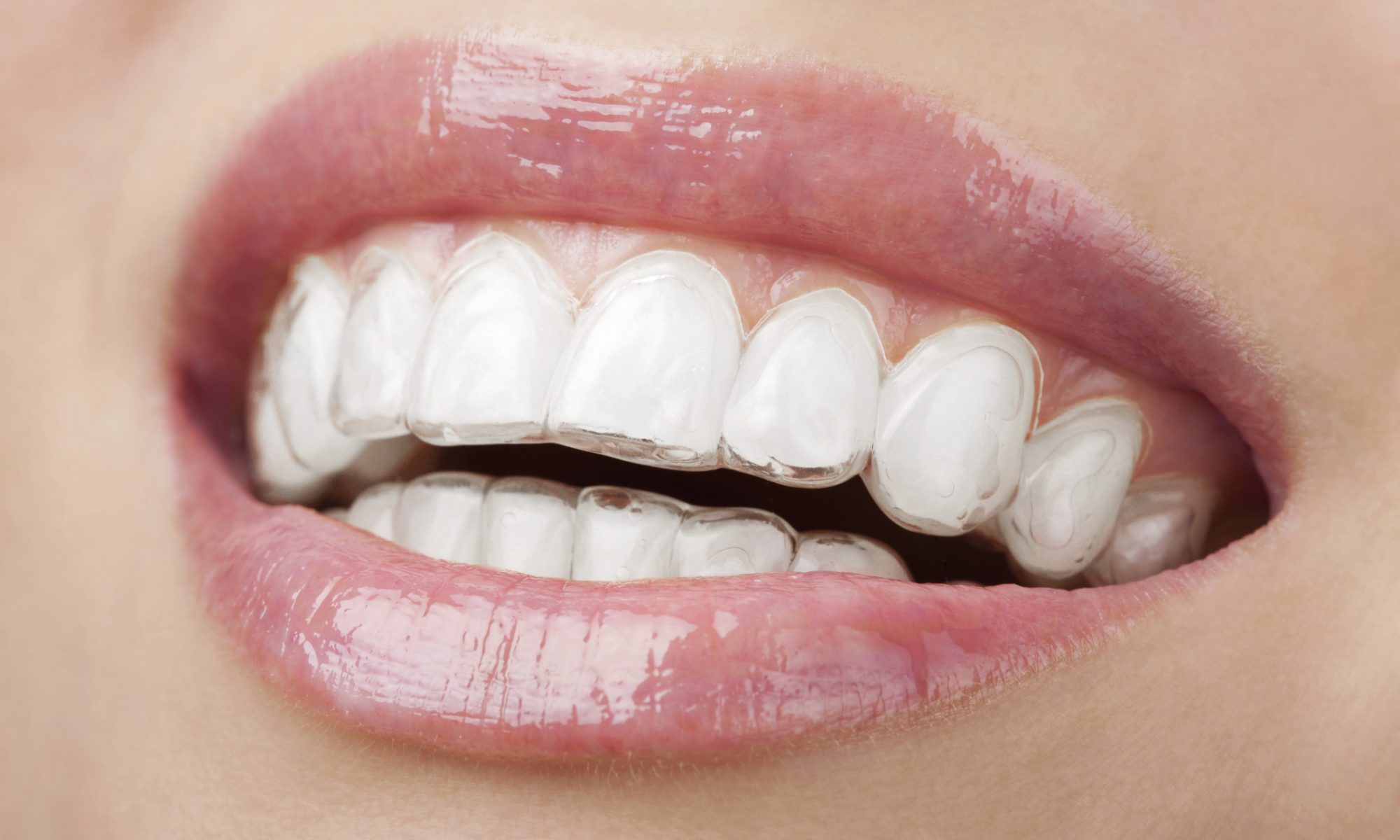
woman smiling with perfect dental health

The human mouth is far more than the starting point of the digestive system. It is a highly specialized, multifunctional structure that allows us to nourish our bodies, communicate clearly, and express emotion. Every part of the mouth has a distinct purpose, and together these parts operate in remarkable coordination. Let’s explore how this intricate system works and why it deserves more attention than it often receives.

The Gateway: Lips and Cheeks

The lips form the entrance to the mouth and serve several important roles. Beyond shaping our smiles and speech, they act as a protective barrier for the sensitive tissues inside. Their rich nerve supply makes them highly responsive, helping with sensation and precise movements during eating and speaking.

Just inside, the cheeks create the side walls of the oral cavity. They help position food between the teeth while chewing and prevent it from slipping out of place. The cheeks also contribute to facial structure and play a subtle but important role in articulation.

The Tongue: A Powerful Muscle at Work

One of the most dynamic structures in the mouth is the tongue. This flexible, muscular organ is essential for tasting, chewing, swallowing, and speaking. Its surface is covered with tiny projections known as papillae, which house taste receptors that detect sweet, salty, sour, bitter, and savory flavors.

Beyond taste, the tongue continuously moves food around the mouth, mixing it with saliva and guiding it toward the throat for swallowing. It also helps shape words by altering airflow and contact points within the mouth, making clear speech possible.

The Palate: Hard and Soft Functions

The roof of the mouth is divided into two distinct sections: the hard palate and the soft palate.

  • Hard palate: Located at the front, this bony structure provides a stable surface against which the tongue presses food during chewing. It also separates the mouth from the nasal cavity.
  • Soft palate: Found toward the back, this softer, muscular area moves during swallowing to close off the nasal passages. This action ensures that food and liquids travel down the correct pathway and do not enter the nose.

Together, these structures coordinate breathing and swallowing with impressive precision.

Salivary Glands: The Unsung Heroes

Saliva plays a crucial role in oral health and digestion. The mouth contains major salivary glands beneath the tongue and along the lower jaw that continuously produce saliva.

This fluid does much more than simply moisten food. It contains enzymes that begin breaking down carbohydrates, making digestion more efficient. Saliva also neutralizes acids, washes away food particles, and helps protect teeth from decay. Without adequate saliva, both comfort and oral health are compromised.

Teeth: Tools for Mechanical Digestion

Teeth are specialized structures designed to break down food into manageable pieces before it enters the digestive system. Most adults have 32 permanent teeth, each with a specific function:

  • Incisors cut and slice food.
  • Canines tear tougher textures.
  • Premolars and molars grind and crush food into smaller fragments.

Anchored securely in the jawbone, teeth are built for strength and durability. Their role in the early stages of digestion is essential, as properly chewed food is easier for the stomach and intestines to process.

The Pharynx: Directing Traffic

At the back of the mouth lies the pharynx, a muscular passageway that connects the oral cavity to the esophagus. When you swallow, a coordinated sequence of muscle movements ensures food moves toward the stomach while the airway is temporarily sealed off. This reflex helps prevent choking and keeps breathing and eating functions properly separated.

A System Working in Harmony

The mouth is a finely tuned system where muscles, bones, glands, and nerves collaborate continuously. From savoring a favorite meal to holding a conversation, its components operate together seamlessly.

Understanding how the mouth functions not only deepens appreciation for its complexity but also highlights the importance of maintaining good oral hygiene. Caring for each part—teeth, gums, tongue, and supporting structures—supports not just a healthy smile, but overall well-being.

The human mouth is truly an extraordinary example of biological design—small in size, yet immense in importance.

If you would like to find out more contact Dr. Gamarnik at 714-842-5626 to schedule a consultation or visit www.hbadvanceddentalspecialists.com for additional information.

Dr. Rudy Gamarnik proudly serves Huntington Beach and all surrounding areas.
Your Teeth and Their Functions | Huntington Beach Dentist

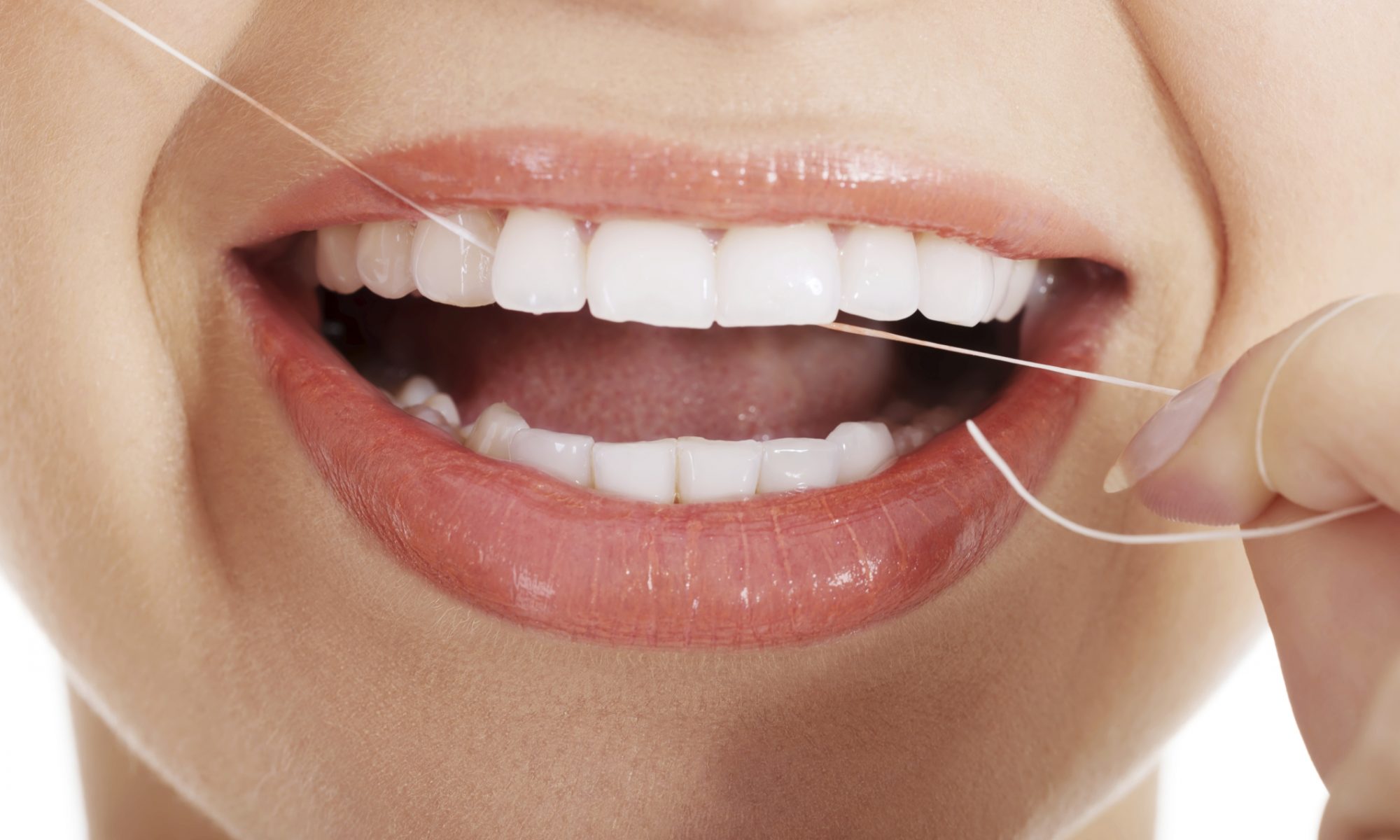
woman brushing teeth

Every tooth in your mouth has a specific job, working together to support chewing, speaking, and overall oral health. Their shapes and positions are perfectly adapted to handle different tasks, from cutting and tearing food to grinding it down for digestion.

Incisors: Your Frontline Cutters

Incisors are the teeth at the front of your mouth—usually the first teeth people notice when you smile. Adults typically have eight incisors: four on the top and four on the bottom. Their sharp, thin edges make them perfect for biting into foodlike fruits, sandwiches, or vegetables. Incisors also play a key role in speech, helping to form certain sounds, while contributing significantly to the appearance of your smile.

Canines: The Tearers

Next to the incisors are the canines, sometimes called cuspids. Adults have four canines—two on the top and two on the bottom. Their pointed tips are ideal for tearing and gripping food, especially tougher items like meat. Canines are also the longest teeth in the mouth and help guide the bite, supporting jaw alignment and stability.

Premolars: The Crushers

Behind the canines are the premolars, also known as bicuspids. There are eight premolars in total, four on each jaw. With their flat, ridged surfaces, premolars are designed to crush and begin grinding food, acting as a transition between the tearing function of canines and the heavy grinding performed by molars.

Molars: The Heavy Grinders

Molars are the largest and strongest teeth, located at the back of the mouth. Adults usually have twelve molars, including wisdom teeth. Their broad, flat surfaces are built for grinding food into smaller pieces, making it easier to swallow and digest. Molars take on most of the chewing force, helping protect other teeth from excessive wear.

Each type of tooth contributes to efficient chewing, clear speech, and proper digestion. Keeping them healthy through daily brushing, flossing, and regular dental visits ensures they can perform their roles effectively. Strong, well-maintained teeth support not only a functional mouth but also a confident, radiant smile.

If you would like to find out more contact Dr. Gamarnik at 714-842-5626 to schedule a consultation or visit www.hbadvanceddentalspecialists.com for additional information.

Dr. Rudy Gamarnik proudly serves Huntington Beach and all surrounding areas.
The Crucial Role Dentists Play | Huntington Beach Dentist

woman with braces

Dentists play a critical role in maintaining not just oral health but overall well-being by addressing a range of serious dental concerns. These issues, if left untreated, can lead to significant discomfort, compromised oral function, and even systemic health problems. Here are some of the most serious concerns that dentists frequently address:

Continue reading “The Crucial Role Dentists Play | Huntington Beach Dentist”

The 7 Most Common Cosmetic Dental Procedures | Huntington Beach Dentist

woman smiling with perfect dental health

Cosmetic dental procedures have gained popularity in recent years as advancements in dental technology and techniques offer patients more options to enhance their smiles. These procedures not only improve aesthetics but also boost self-confidence. Here are some of the most popular cosmetic dental procedures available today:

Continue reading “The 7 Most Common Cosmetic Dental Procedures | Huntington Beach Dentist”

A Brief History of Mouthwash | Huntington Beach Dentist

Tooth and dental equipment on white background.

Mouthwash, also known as mouth rinse, has a rich history dating back thousands of years. Ancient cultures, including the Egyptians, Greeks, and Romans, used various natural ingredients to freshen their breath and promote oral hygiene. These early mouth rinses often included ingredients like herbs, wine, and even urine, believed to have antibacterial properties.

Continue reading “A Brief History of Mouthwash | Huntington Beach Dentist”

The Importance of a Proper Bite Pattern | Huntington Beach Dentist

invisible braces

A proper bite, also known as occlusion, is crucial for maintaining overall oral health and ensuring the efficient function of the mouth and jaw. A proper bite occurs when the upper and lower teeth align correctly when the mouth is closed, allowing for optimal chewing, speaking, and smiling. Here’s why having a proper bite is so important:

Continue reading “The Importance of a Proper Bite Pattern | Huntington Beach Dentist”

What To Know About TMJ Disorder | Huntington Beach Dentist

woman in pain with a toothache

Temporomandibular Joint (TMJ) disorder is a condition that affects the jaw joints and muscles controlling jaw movement. The temporomandibular joints, located on each side of the head in front of the ears, connect the lower jawbone (mandible) to the skull. These joints allow the jaw to move smoothly up and down and side to side, making it possible to talk, chew, and yawn. TMJ disorder can cause significant discomfort and interfere with these daily activities. Here’s an overview of TMJ disorder, its symptoms, causes, and treatment options:

Continue reading “What To Know About TMJ Disorder | Huntington Beach Dentist”

A Guide to Dental Veneers | Huntington Beach Dentist

woman smiling with perfect dental health

Dental veneers are a popular cosmetic dental treatment designed to enhance the appearance of teeth, providing a brighter and more uniform smile. They are thin, custom-made shells of porcelain or composite resin that cover the front surface of the teeth, effectively masking imperfections. Here’s an overview of dental veneers, their benefits, and the procedure involved:

Continue reading “A Guide to Dental Veneers | Huntington Beach Dentist”