
Your Teeth and Their Functions | Huntington Beach Dentist

woman brushing teeth

Every tooth in your mouth has a specific job, working together to support chewing, speaking, and overall oral health. Their shapes and positions are perfectly adapted to handle different tasks, from cutting and tearing food to grinding it down for digestion.

Incisors: Your Frontline Cutters

Incisors are the teeth at the front of your mouth—usually the first teeth people notice when you smile. Adults typically have eight incisors: four on the top and four on the bottom. Their sharp, thin edges make them perfect for biting into foodlike fruits, sandwiches, or vegetables. Incisors also play a key role in speech, helping to form certain sounds, while contributing significantly to the appearance of your smile.

Canines: The Tearers

Next to the incisors are the canines, sometimes called cuspids. Adults have four canines—two on the top and two on the bottom. Their pointed tips are ideal for tearing and gripping food, especially tougher items like meat. Canines are also the longest teeth in the mouth and help guide the bite, supporting jaw alignment and stability.

Premolars: The Crushers

Behind the canines are the premolars, also known as bicuspids. There are eight premolars in total, four on each jaw. With their flat, ridged surfaces, premolars are designed to crush and begin grinding food, acting as a transition between the tearing function of canines and the heavy grinding performed by molars.

Molars: The Heavy Grinders

Molars are the largest and strongest teeth, located at the back of the mouth. Adults usually have twelve molars, including wisdom teeth. Their broad, flat surfaces are built for grinding food into smaller pieces, making it easier to swallow and digest. Molars take on most of the chewing force, helping protect other teeth from excessive wear.

Each type of tooth contributes to efficient chewing, clear speech, and proper digestion. Keeping them healthy through daily brushing, flossing, and regular dental visits ensures they can perform their roles effectively. Strong, well-maintained teeth support not only a functional mouth but also a confident, radiant smile.

If you would like to find out more contact Dr. Gamarnik at 714-842-5626 to schedule a consultation or visit www.hbadvanceddentalspecialists.com for additional information.

Dr. Rudy Gamarnik proudly serves Huntington Beach and all surrounding areas.
A Brief History of Mouthwash | Huntington Beach Dentist

Tooth and dental equipment on white background.

Mouthwash, also known as mouth rinse, has a rich history dating back thousands of years. Ancient cultures, including the Egyptians, Greeks, and Romans, used various natural ingredients to freshen their breath and promote oral hygiene. These early mouth rinses often included ingredients like herbs, wine, and even urine, believed to have antibacterial properties.

Continue reading “A Brief History of Mouthwash | Huntington Beach Dentist”

The Importance of a Proper Bite Pattern | Huntington Beach Dentist

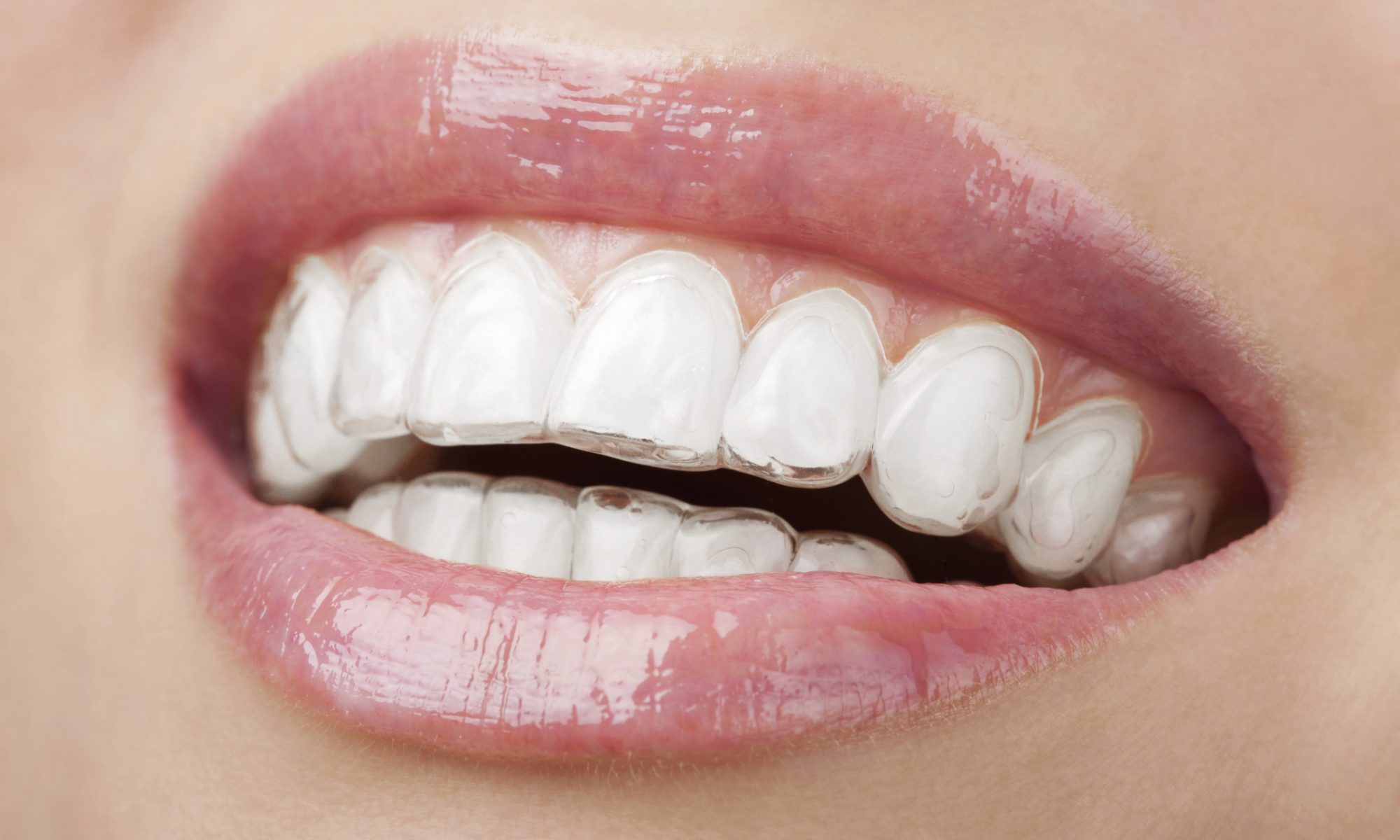
invisible braces

A proper bite, also known as occlusion, is crucial for maintaining overall oral health and ensuring the efficient function of the mouth and jaw. A proper bite occurs when the upper and lower teeth align correctly when the mouth is closed, allowing for optimal chewing, speaking, and smiling. Here’s why having a proper bite is so important:

Continue reading “The Importance of a Proper Bite Pattern | Huntington Beach Dentist”

Wisdom Teeth Removal: The First 72 Hours | Huntington Beach Dentist

woman in pain with a toothache

Wisdom tooth removal is a very common procedure performed on a majority of young adults and is nothing to be afraid of. Wisdom teeth are located behind our molars and don’t typically break beyond the gemlike until our late teens to early twenties, if at all. Yet, if they do break, they can crowd valuable gum space and can cause third molars to grow improperly and teeth to overlap one another; for individuals with small mouths and jaws, this is especially detrimental.

If your wisdom teeth do break through, and begin to cause problems, here is the process you can expect to go through with your dentist, and what recovery will look like when you get home.

Consultation. If you are feeling the growing pains of new teeth coming in at the back of your jaw, it may be a sign your wisdom teeth are coming in. It is common for this set of teeth to erupt in young adults between one’s late teenage years to their early twenties.

Removal. The removal process will look a little different for everyone depending on the circumstances of tooth positioning, jaw size, and the angle at which wisdom teeth come in. For some, this set of molars does not impact their jaw or existing teeth and they can safely retain them. Most people however do require removal and have two options:

         IV Sedation. For those with dental anxiety or who are generally concerned about their procedure, IV sedation is a great option. Upon arrival, you are allowed a few minutes to breathe and relax as an IV drip slowly puts you to sleep. When the procedure is over, you will wake up and may experience a somewhat dazed feeling until the solution fades.

         Nitrous Oxide. Commonly known as “laughing gas”, nitrous oxide allows one to remain awake during the procedure and is administered as a means of relaxing an individual into their procedure. It’s important to note that nitrous oxide does not work for everyone and that increased amounts do not necessarily mean a more effective result.

Recovery. Initial recovery from the effects of sedation or nitrous oxide after surgery typically only lasts a few hours. Healing time for the gums can take up to two weeks and the reintroduction of certain foods follow this period so as not to further disturb your gums. Your dentist will speak with you about proper cleaning methods for the gums to ensure a safe and effective healing process.

Wisdom tooth removal can be viewed as either a rite of passage into adulthood or terrifying for someone to go through. Either way, the removal of our wisdom teeth for those who attain them is important.

If you would like to find out more about wisdom teeth removal, contact Dr. Gamarnik at 714-842-5626 to schedule a consultation or visit www.hbadvanceddentalspecialists.com for additional information.

Dr. Rudy Gamarnik proudly serves Huntington Beach and all surrounding areas.
IV Sedation and Sleep Dentistry | Huntington Beach Dentist

woman with dental anxiety

If you experience a physical reaction to the idea of certain stimuli being triggered by going to the dentist, you may have dental anxiety. Dental anxiety is common among kids and adults alike. Continue reading to learn if sleep dentistry through the use of IV Sedation may be right for you.

When dentists perform restorative procedures, there are typically a variety of sedation options available to the individual. The two main ones are nitrous oxide and intravenous (IV) sedation. The inhalation of nitrous allows a patient to relax, but IV sedation can guide the patient into a deeper relaxation and in some cases, lull them to sleep. This is what we refer to as sleep dentistry. It can greatly increase a patient’s experience at the dentist.

Utilizing IV sedation for sleep dentistry has the following benefits for many patients:

  • Administration of the drug is provided by a ___ and tailored to the patient’s needs
  • The results of IV sedation are reliable and the most effective means of sedation
  • If you are particularly sensitive to your gag reflex, IV sedation will relax the reaction, but your dentist may recommend nitrous oxide
  • In contrast to general anesthesia, IV sedation is safer and allows you to retain consciousness.
  • Due to the amount of control your practitioner has with the dosage of IV administered, your recovery time is shorter than with oral sedation.
  • Remaining consistent with your oral health in your daily life, as well as with regular check-ups, are the best way to avoid unfavorable experiences at the dentist. If you do enter into a restorative process, discuss your concerns with your dentist to see if IV sedation may be right for you.

If you would like to find out more about sleep dentistry or have questions about IV sedation, contact Dr. Gamarnik at 714-842-5626 to schedule a consultation or visit www.hbadvanceddentalspecialists.com for additional information.

Dr. Rudy Gamarnik proudly serves Huntington Beach and all surrounding areas.

The Role Mouthwash Plays in Oral Hygiene | Huntington Beach Dentist

fresh breath

Mouthwash may seem like an unnecessary step for one’s oral hygiene and care routine, but it’s true that in general, you can go without it. Yet, mouthwash could be a great way to gain peace of mind, keep tarter buildup at bay, and make you feel fresh before starting your day.

How does mouthwash work?

Mouthwash works to reduce the number of bad bacteria in your mouth that cause plaque, and later cavities, to form. Incorporating mouthwash into your care routine can help prevent periodontal disease, and an extra helping of fluoride from a rinse can help keep a tooth that is prone to cavities clean. Mouthwash will also freshen your breath, so if you give your mouth a rinse before your next date night or important meeting, it’s certainly not going to work against you.

Which ingredients should I seek in a mouthwash?

The active ingredients in mouthwash are what allow the advertisements to claim their value. Bacteria-fighting ingredients such as cetylpyridinium chloride, zinc gluconate, or quaternary ammonium are the three most common ones. Each of them works to provide the preventative benefits you’re looking for.

So, what about natural washes?

Fluoride can be a controversial mineral, with opinions split over its effectiveness, and potential to harm oral health rather than aid in protecting it. Whatever someone’s reasoning, fluoride isn’t necessary. Natural mouthwashes utilize essential oils or ingredients such as garlic to act as an astringent and have been proven effective at preventing gum disease and reducing bad bacteria.

Can my child use mouthwash?

As a general rule, children under the age of six should not use mouthwash, as their risk for consumption rises. Once your child has developed the ability to properly swish and rinse their mouthwash, is when he or she can begin using it with supervision. Additionally, parents should opt for child-friendly washes to make the transition into using it more fun, and so it doesn’t potentially harm them if they do accidentally swallow it.

If you would like to find out more about mouthwash or how to improve your oral care routine, contact Dr. Gamarnik at 714-842-5626 to schedule a consultation or visit www.hbadvanceddentalspecialists.com for additional information.

Dr. Rudy Gamarnik proudly serves Huntington Beach and all surrounding areas.
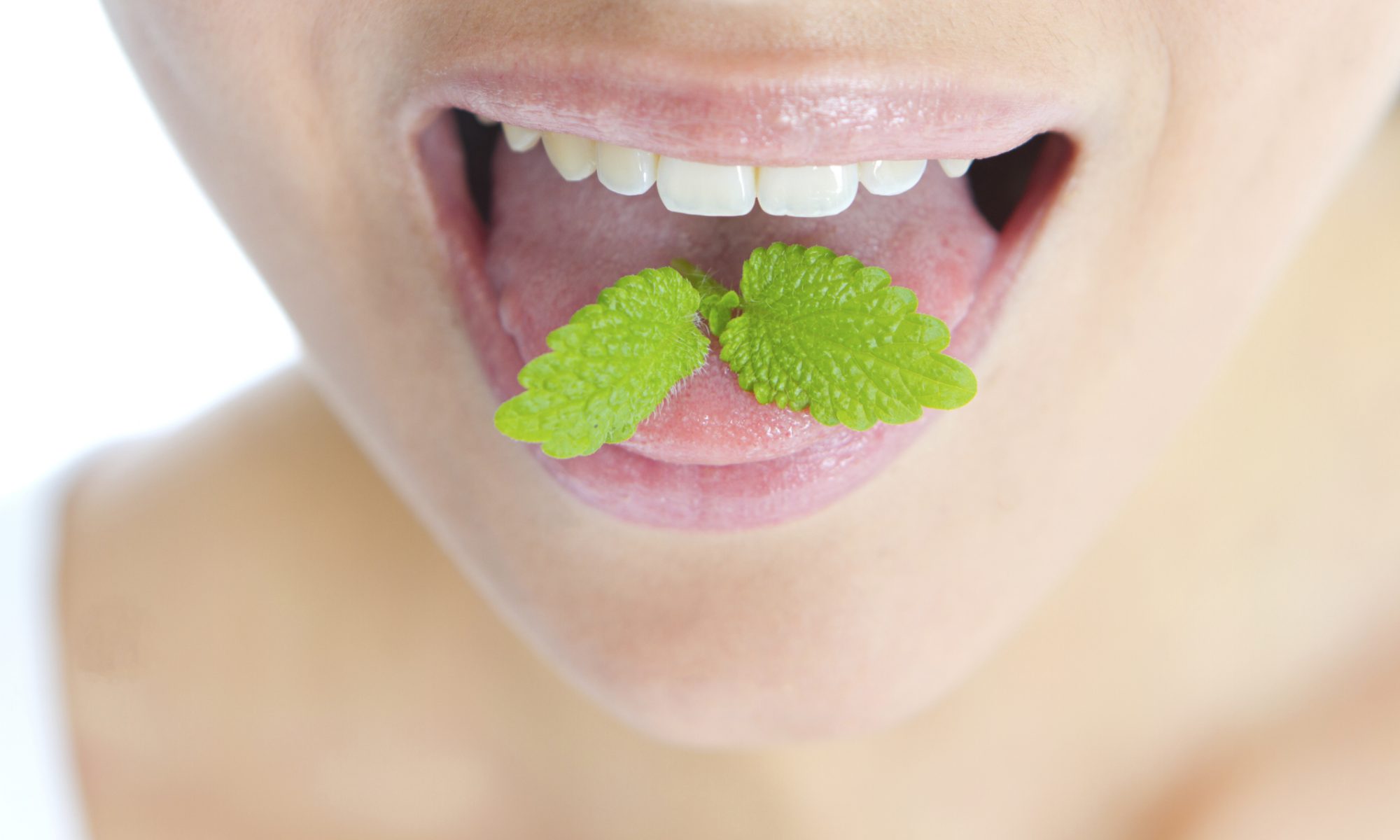
When You Have Bad Breath Without Eating | Huntington Beach Dentist

When it comes to celebrating the holidays, we all tend to loosen our belts a bit to indulge in all the foods we love during this time of year. And some of those foods can give us bad breath. The solution is simple – a quick stick of gum or a brushing can do the trick. But there are some reasons you may have bad breath that has nothing to do with potent foods. Let’s take a look at bad breath – how we get it, how we get rid of it and what happens when it is something more serious.

There are certain causes of bad breath: your diet, the condition of your teeth and how you take care of them. Bad breath is generally caused by bacteria in your mouth. Now, every mouth has bacteria, some of which are good, and some which aren’t. By removing the bacteria, you are reducing the possibility of halitosis (bad breath), which is why good dental hygiene is imperative. It is also critical to see your dentist and hygienist on a regular basis so they can take x-rays, measure your gum pockets and determine the extent of the bacteria in your mouth, as they remove the bacteria from above your gums. Occasionally, it is noted that bacteria may be able to get inside the gums, which cause gum infections gum disease and tooth loss.

Once it has been determined you have gum disease, it is recommended to have cleanings done every 3 months to maintain the health of the gums. Generally, the gum measurements are made to determine how well the gums are responding to treatment and cleaned, to ensure the continued improvement of the bacteria removal.

If you would like to find out more about bad breath, contact Dr. Gamarnik at 714-842-5626 to schedule a consultation or visit www.hbadvanceddentalspecialists.com for additional information.

Dr. Rudy Gamarnik proudly serves Huntington Beach and all surrounding areas.

Do You Suffer from Ketosis Breath? | Huntington Beach Dentist

There are many diets out there to choose from; they come and go like the wind. One of these diets that has become quite popular these days is the keto diet, a diet based on low carb intake and eating large amounts of saturated fats, like butter, lard and oils.

And while it is a great way to lose weight, like anything, there are some risks. Harvard Health Publishing recommends that your saturated fat intake not exceed 7% of your daily calories. Eating so much more than that could increase your risk of:

  • Heart disease
  • Nutrient deficiency
  • Kidney issues
  • Constipation
  • Liver problems
  • Clouded thinking
  • And, of course, ketosis breath.

Ketosis breath is an overly sweet, fruity scent (not in a good way) that is the results of the way our bodies break down fats. While in ketosis, your body converts fat cells into three types of ketones. One of these ketones, called acetone, is essentially worthless for your body to create energy. Therefore, your body releases it through your urine, sweat, and breath.

So, now that you are aware of keto breath, how do you get rid of it? Because the scent is coming from your lungs, it isn’t something that can be fixed, but rather covered up. And just like any type of bad breath, there are ways to do this. Chewing sugar-free gum will activate saliva production, which will keep your mouth free of bacteria. Adding more complex carbohydrates, like leafy greens, will also help decrease the scent. Drinking water is also a great way to keep your mouth hydrated. Adding breath freshening herbs like mint, cloves and cinnamon can help improve your breath. And lastly, good dental hygiene is the best way to stave off keto breath.

If you would like to find out more about ketosis breath, contact Dr. Gamarnik at 714-842-5626 to schedule a consultation or visit www.hbadvanceddentalspecialists.com for additional information.

Dr. Rudy Gamarnik proudly serves Huntington Beach and all surrounding areas.